Paving Driveways Dublin
Block paving driveway laid by Paving Driveways Dublin
Serving Dublin, Co. Dublin

Block Paving in Dublin

Block paving and cobble lock driveways for homes in Dublin, laid on a deep, compacted base in the colour and pattern you choose.

Get a FREE Quote

Fill in the form and we’ll get back to you shortly.

Step 1 of 2

  • 30+ Years' Experience30+ Years
  • Fully InsuredFully Insured
  • FREE Site VisitsFREE Visits
  • No Deposit TakenNo Deposit
New Driveways

Cobble Lock Drives in Dublin

Cobble lock is what most people in Dublin call block paving, and a good one starts well below the surface. On every drive we lay in the city, the old surface is taken up first, the ground is excavated, and a stone sub-base goes down and is compacted layer by layer before the first block is set.

Colour is where you get to have your say. Blocks can pick up the tone of your brick or render, and a contrasting border gives the drive a clear frame against the footpath. At the FREE site visit you see Kilsaran and Tobermore samples laid out beside your own front wall, not in a brochure.

The pattern follows how the drive is used. Herringbone goes where cars swing in and turn, while basket-weave and stretcher bond work well on paths and edging, and a paving circle can make a feature at the front door. Because each block sits on its own, one that gets cracked or stained can come out without touching its neighbours.

Alongside new drives across the city and out to Dún Laoghaire, Tallaght, Finglas and Clondalkin, existing block paving can be extended, re-levelled or repaired. You deal with a fully insured business with over 30 years in paving, and no deposit is taken.
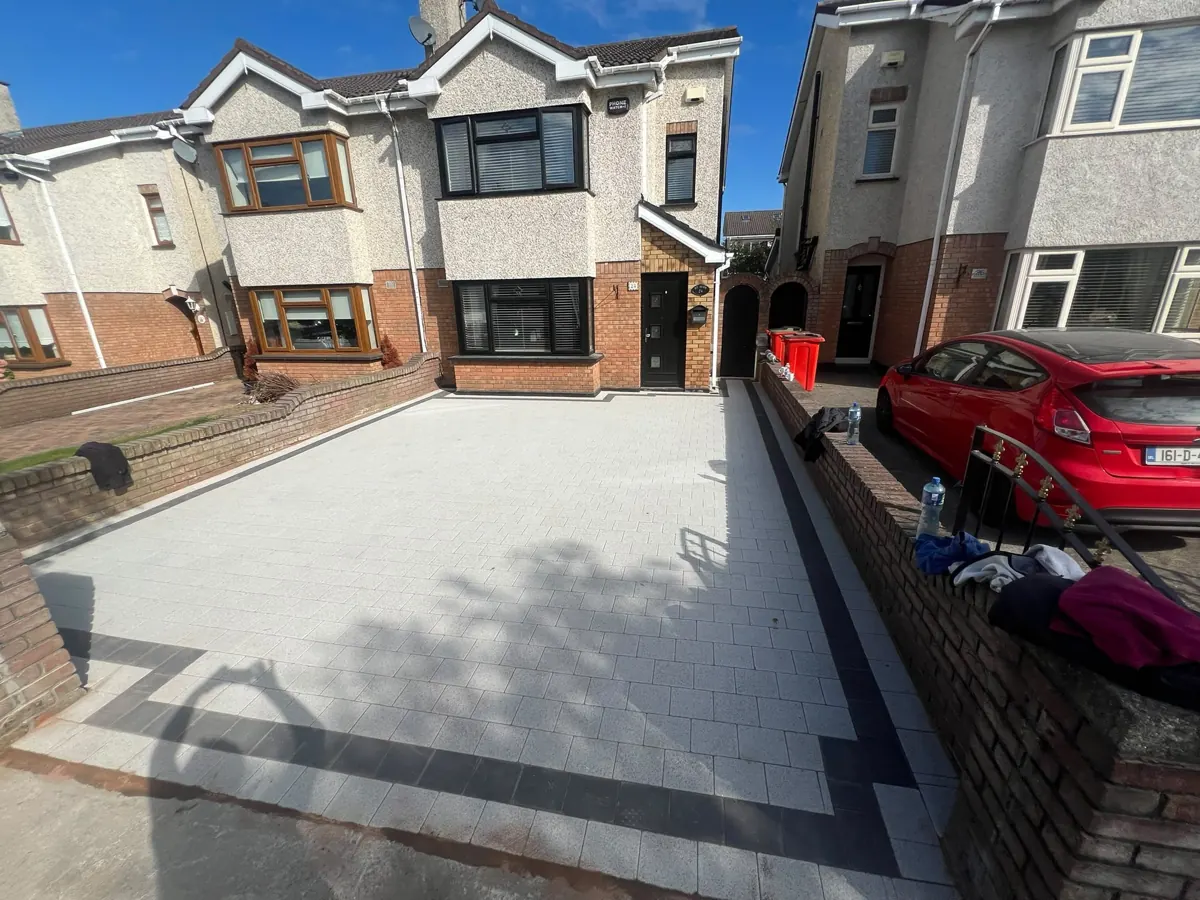
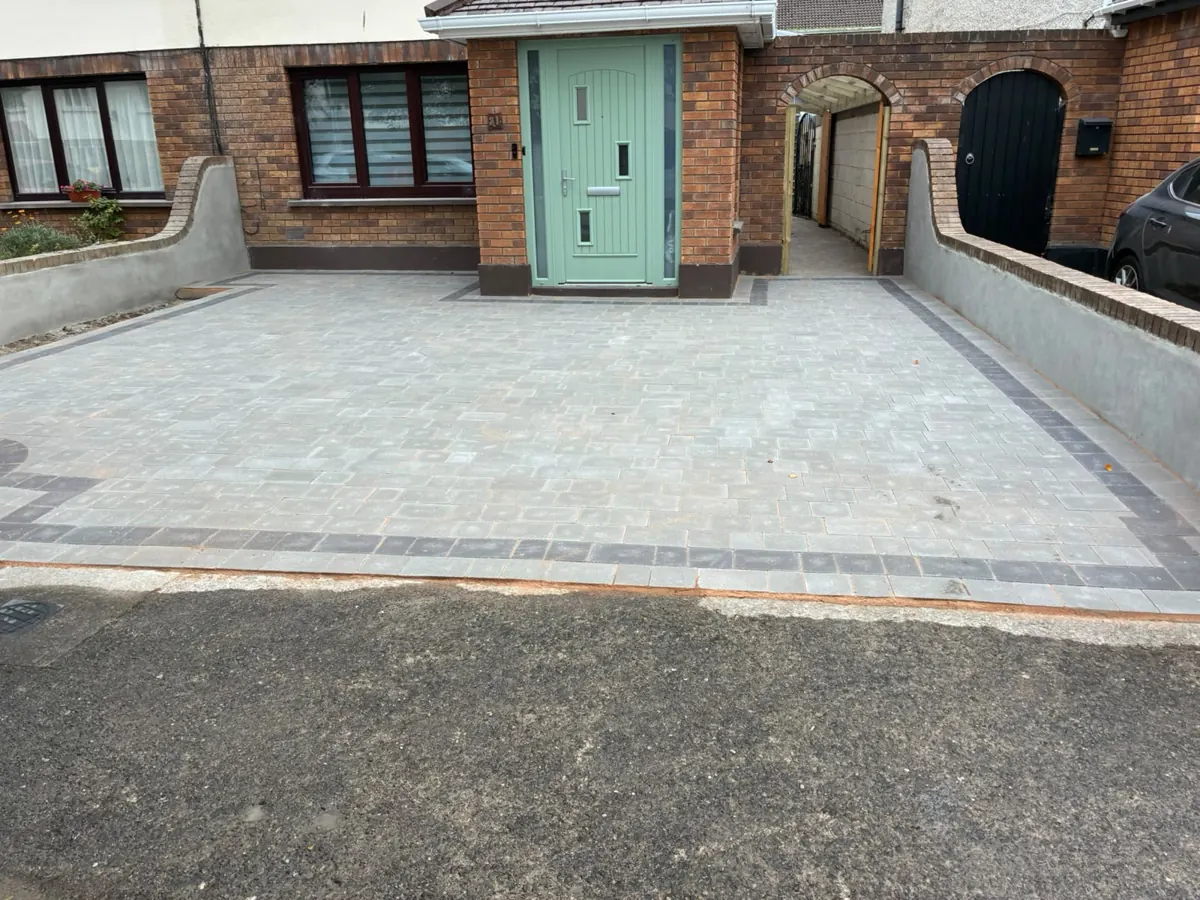
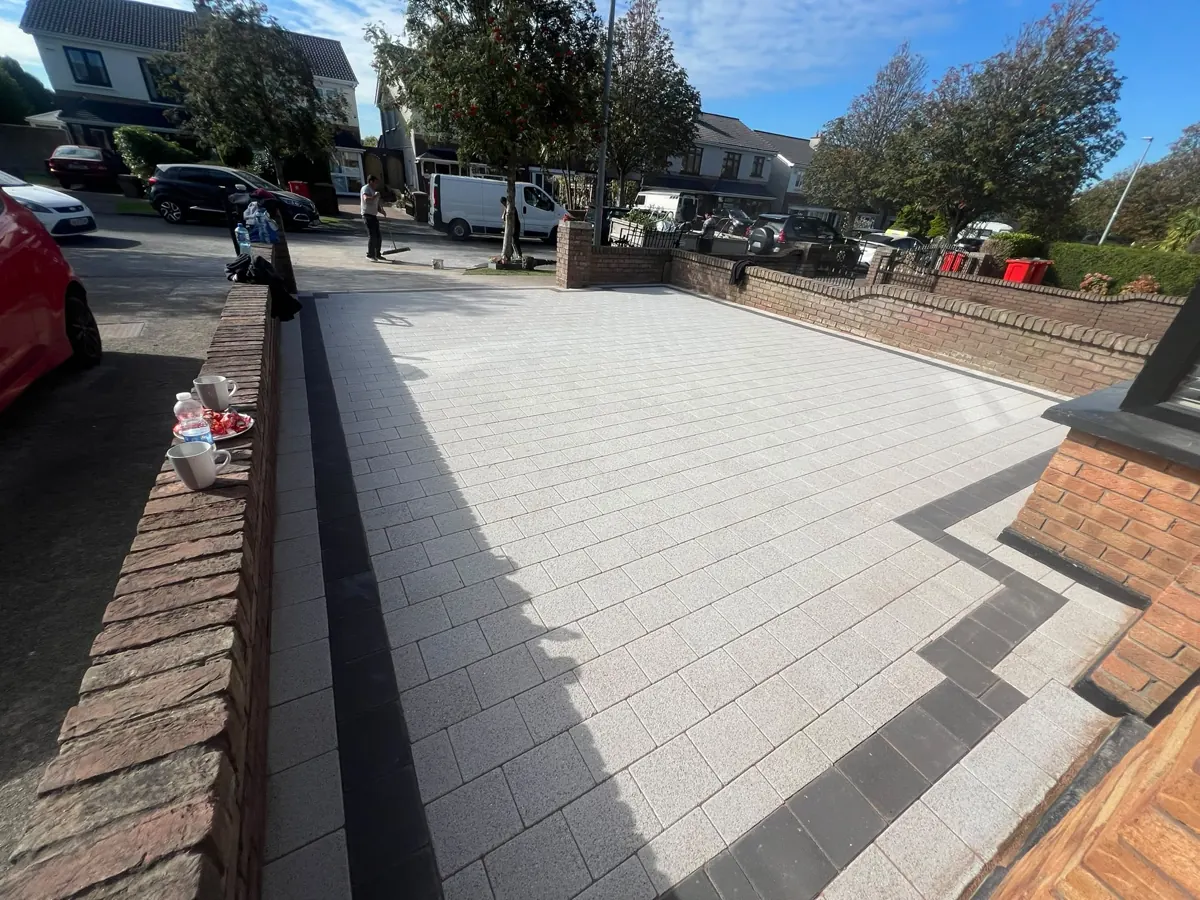
Block paving driveway laid by Paving Driveways Dublin, photo 1
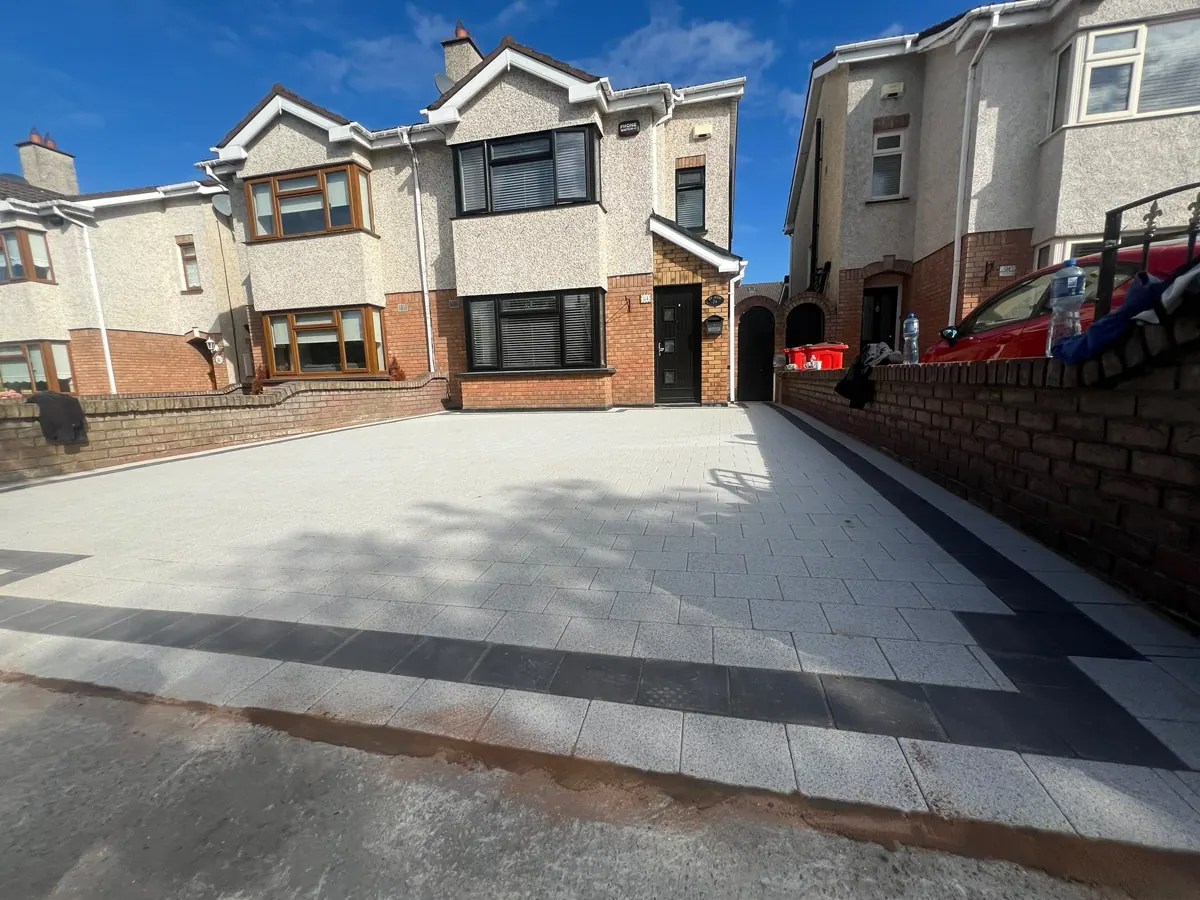
Block paving driveway laid by Paving Driveways Dublin, photo 2
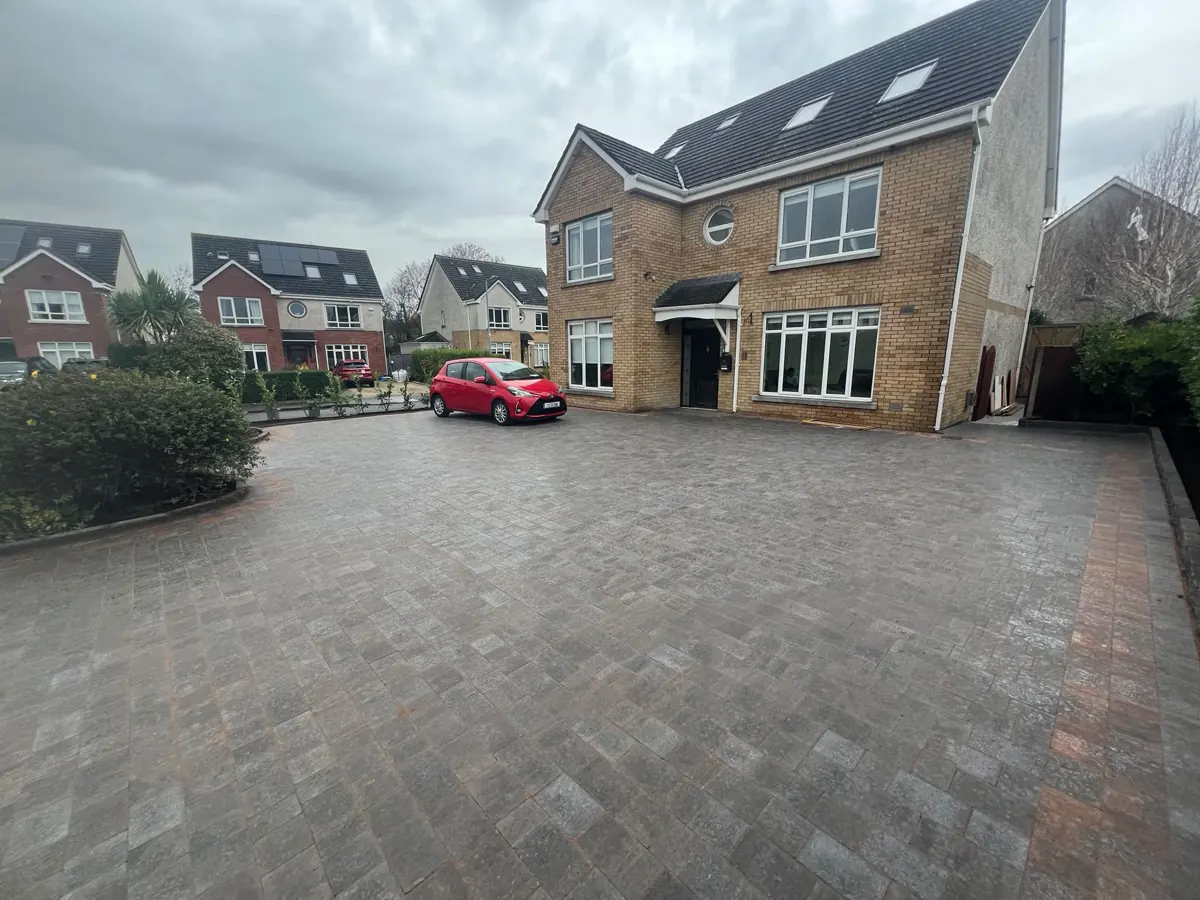
Block paving driveway laid by Paving Driveways Dublin, photo 3
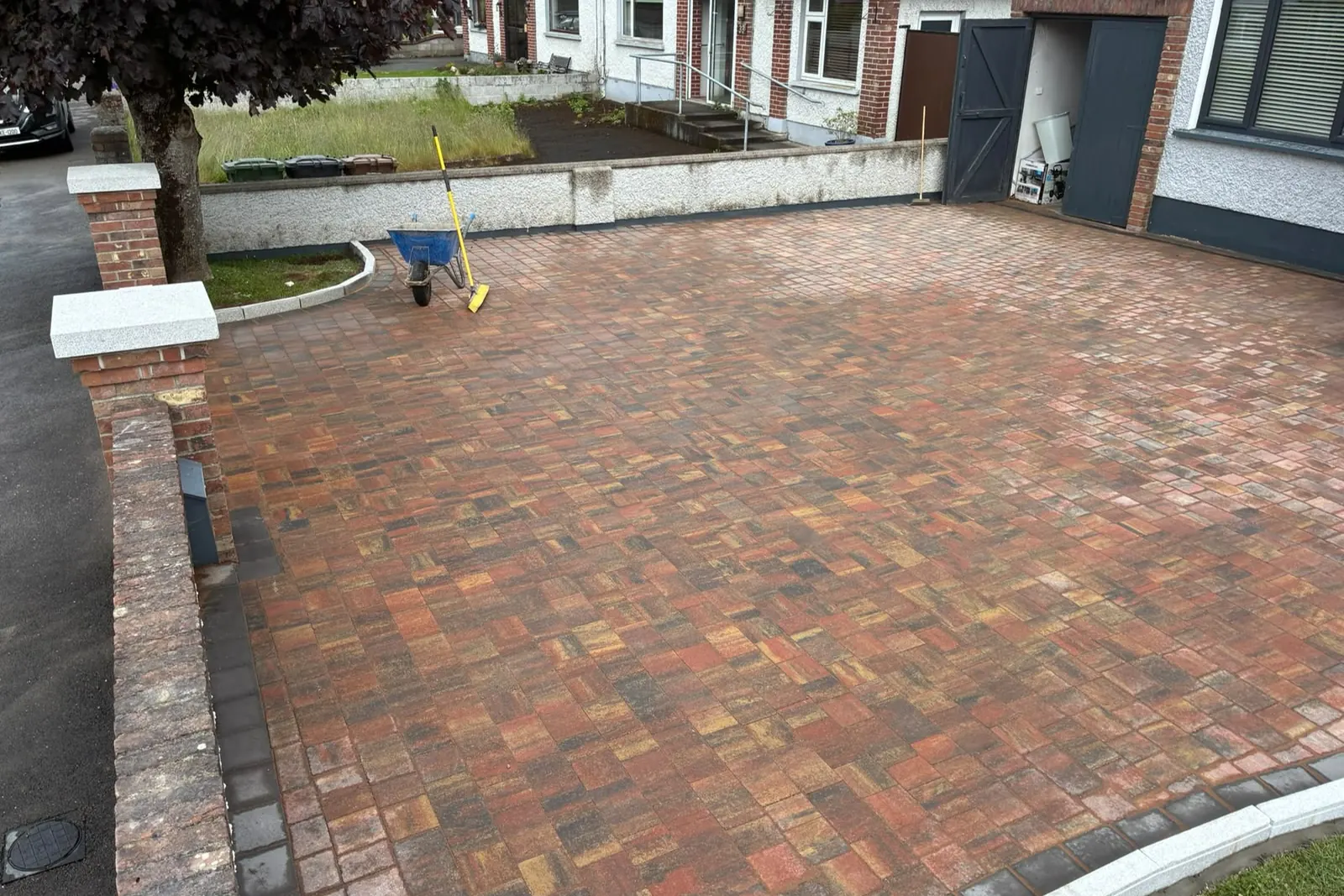
Block paving driveway laid by Paving Driveways Dublin, finished work
What’s Included

What Block Paving Includes

  • A FREE site visit with blocks and colours to compare
  • Existing surface taken up and the ground excavated
  • Stone sub-base compacted, then a sand bed screeded on top
  • Blocks set and cut to the pattern you picked
  • Kerbs, borders and edge restraints to hold the drive
  • Joints filled with sand, then the whole drive compacted
Why Choose Us

Why Choose Us in Dublin

Customer Reviews

What Our Customers Say

Get a FREE Quote in Dublin

Book a FREE site visit and see the colours and patterns on your own Dublin drive.

Our Work

Recent Block Paving Driveways

Our SuppliersThe Materials We Lay

  • Tobermore
  • Kilsaran
  • Roadstone
  • Allstone
  • Barleystone Paving
  • Vuba
How It Works

How Block Paving Is Laid

  1. Visit & Samples

    We take measurements, check the falls and levels, and lay out block samples so you can settle on a colour and pattern.

  2. Dig Out

    The existing drive comes up and the ground is excavated deep enough to take a solid base.

  3. Sub-Base & Bed

    Stone goes in and is compacted one layer at a time, then a sand bed is screeded level across it.

  4. Lay & Joint

    Blocks are set in your pattern, cut to the edges and bordered, then jointing sand is swept in and the surface compacted.

  5. Final Check Together

    You walk the finished drive with us and we confirm every item agreed has been done.

Swipe to See More

FAQs

Block Paving FAQs for Dublin

Do You Lay Block Paving in Dublin?

Yes. Dublin is about 15 km from our base in Swords, and block paving is laid right across Co. Dublin, including Dún Laoghaire, Tallaght, Finglas and Clondalkin. Call 1800 938 832 with your Eircode and a FREE site visit can be booked in.

How Do I Get a Price for Block Paving in Dublin?

Ring 1800 938 832 or fill in the form with your Eircode. A FREE site visit in Dublin is arranged, the job is looked at in person, and you are then given a clear price with no small print.

What Is the Difference Between Block Paving & Cobblelock?

None in practice. Cobblelock is simply the name most of Ireland uses for block paving, so a quote for either means the same thing: concrete paving blocks set on a sand bed over a compacted stone base. If you are weighing up two quotes, compare the base and borders rather than the name.

Is Block Paving Better Than Tarmac or Concrete?

On choice and repairs, yes, although it costs more than tarmac. You get a much wider range of colours and patterns, the blocks hold their grip in the rain, and a damaged spot is fixed by swapping a few blocks rather than patching across a whole tarmac or concrete surface.

Is Block Paving Permeable?

Not all block paving is. Standard blocks are laid tight with sand joints, and the drive is built with falls that carry rain away from the house. Permeable block paving is a different system, with small spacer nibs that leave wider joints filled with grit so water drains down into the base. Dublin City Council encourages permeable surfaces on paved front gardens, so raise drainage at the site visit.

Do I Need Planning Permission for a Block Paved Driveway?

Usually not for relaying or resurfacing the drive inside your own boundary, because a hard surface within the grounds of a house is generally exempt. A new entrance, a wider entrance or a dished kerb onto the road is different and normally needs planning permission, so check with your council in Co. Dublin before you widen the gateway.

What Affects the Cost of a Block Paved Driveway?

Mostly the ground. The size of the drive sets the starting point, then the cost moves with how much digging, levelling and drainage work is needed before a block goes down, and whether an old surface has to be lifted and taken away. The blocks and border you settle on play a part too. You get a clear price after the site visit, and no deposit.

Which Block Paving Pattern Is the Strongest?

Herringbone. Laid at an angle, the blocks lock into each other, which spreads the weight of a car and stops them shifting when wheels turn on the spot. Basket-weave and stretcher bond are better kept for paths, lighter traffic or a contrasting border along the edge.

Which Brands of Paving Do You Use?

Block paving from Kilsaran and Tobermore. Samples from both ranges are brought to the site visit in Dublin, so you can hold the colours up against your brickwork before you decide and see how a border shade sits beside the main block.

How Long Does a Block Paved Driveway Last?

With care, around 20 to 25 years is the figure industry guidance gives. What decides it is mostly underneath: where block drives sink or rut, a thin or poorly compacted sub-base is the usual cause. That is why the stone base here is compacted in layers, and why single blocks can be relaid if one ever settles.

Can Block Paving Be Repaired?

Yes. Every block is laid on its own, so a sunken, cracked or stained patch can be lifted out, the sand bed brought back to level and the same blocks, or matching new ones, set back in place. The rest of the drive is left alone while this is done.

Will Weeds Grow Between the Blocks?

A few may, but firmly compacted jointing sand keeps most of them out. Weeds tend to root where sand has washed out of the joints over the years, so topping the joints up keeps the blocks tight and leaves weeds less room to take hold.

Can’t Find the Answer You’re Looking For?

Get in touch with us today.

Call 1800 938 832Get a FREE Quote